

Standalone VR, also PC-poweredEntry level
- Resolution per eye
- 1832x1920
- Weight
- 514 g
- Refresh rate
- 72 / 90 / 120 Hz
- Colour passthrough
- Yes
- Training-ready
- Skillsive apps run on it
Specs verified on 2026-07-21
Specs from manufacturer pages, filtered by what actually matters when you hand headsets to a crew — not by what looks good in a consumer review.
Pick up to four models and compare them side by side. Every figure below comes from the manufacturer's own spec page, with the date it was last checked, so you can quote it in a purchase request.
Four acronyms describe this hardware, and they are used loosely enough that two products both called "AR glasses" can have nothing measurable in common. Here is what each one means, and why this catalogue is organised the way it is.
Filtering by category is the first useful thing you can do here. A monocular screen on a hard hat and a pair of camera glasses share a shape and nothing else — comparing them in one table would be a wall of dashes.
A headset with its own computer inside. This is where corporate training runs.
Browse this categoryA headset that renders on a PC. Highest fidelity, but our courses do not run on it.
Browse this categoryA monocular screen on a helmet or frame: hands-free work and remote expert support.
Browse this categoryTrue AR — content anchored in the room, tracked in six degrees of freedom.
Browse this categoryA virtual monitor over USB-C. An external screen you wear, not a computer.
Browse this categoryCamera, audio and an assistant. Little or no display, and a closed platform.
Browse this categoryEverything sold as AR glasses, in one list.
57 headsets
Specs verified on 2026-07-21

Specs verified on 2026-07-21

Specs verified on 2026-07-21

Specs verified on 2026-07-21

Specs verified on 2026-07-21

Specs verified on 2026-07-21
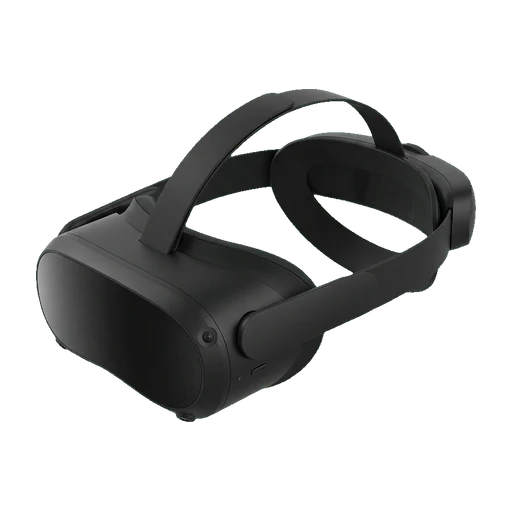
Specs verified on 2026-07-30

Specs verified on 2026-07-21
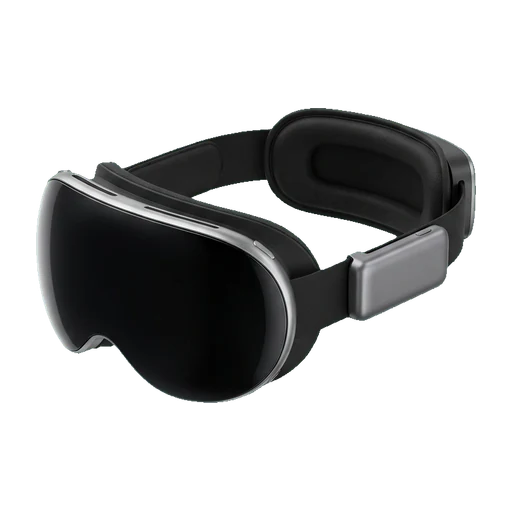
Specs verified on 2026-07-30
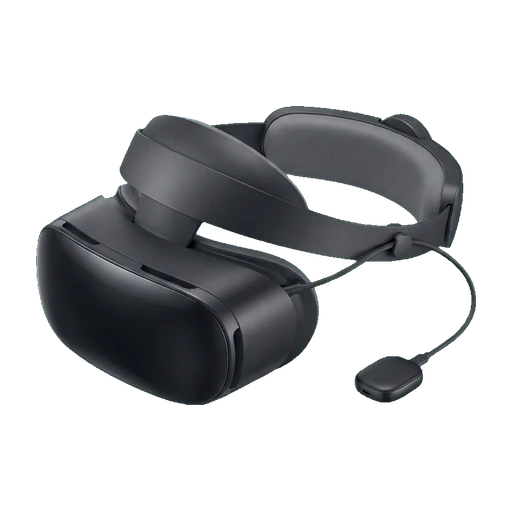
Specs verified on 2026-07-30
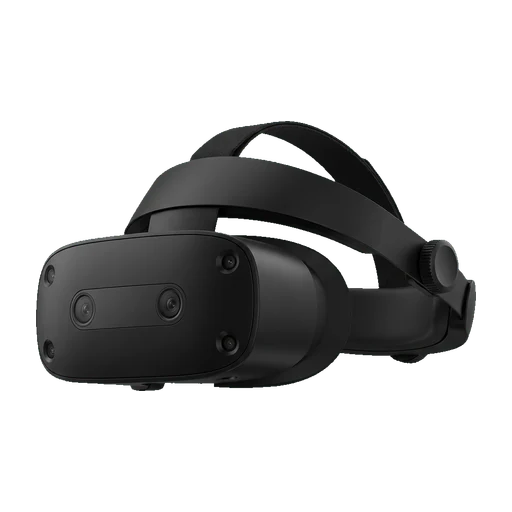
Specs verified on 2026-07-30
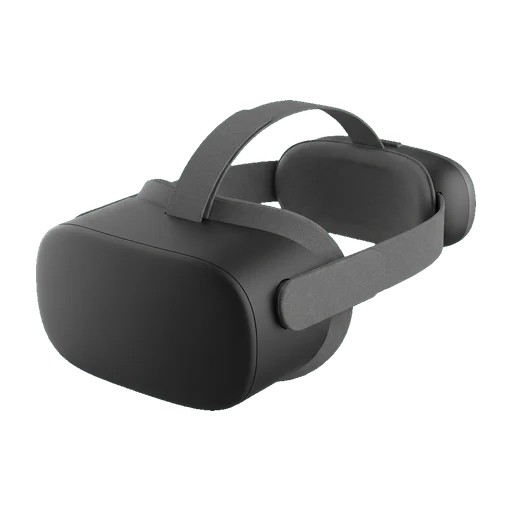
Specs verified on 2026-07-30

RealWear · 2025
Specs verified on 2026-08-04

Vuzix · 2025
Specs verified on 2026-08-04

RealWear · 2023
Specs verified on 2026-08-04

RealWear · 2023
Specs verified on 2026-08-04

Epson · 2022
Specs verified on 2026-08-04

Vuzix · 2020
Specs verified on 2026-08-04

Vuzix · 2019
Specs verified on 2026-08-04

Iristick
Specs verified on 2026-08-04

Iristick
Specs verified on 2026-08-04

RayNeo · 2025
Specs verified on 2026-08-04

Snap · 2024
Specs verified on 2026-08-04
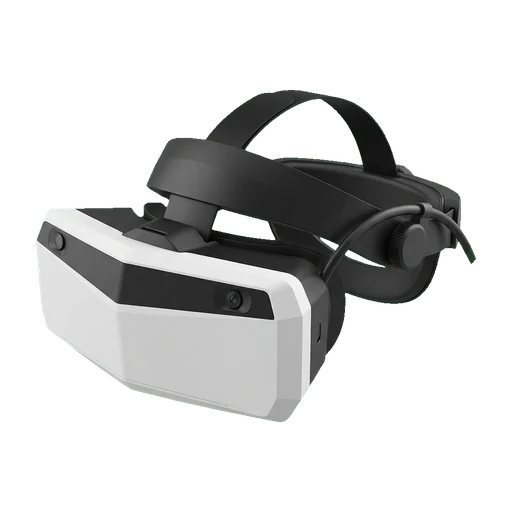
Specs verified on 2026-07-30
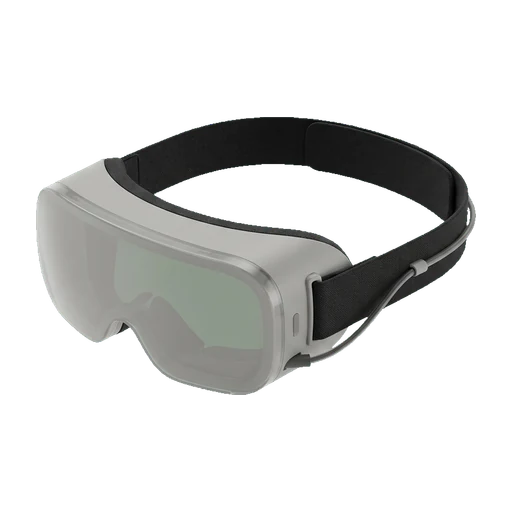
Specs verified on 2026-07-30
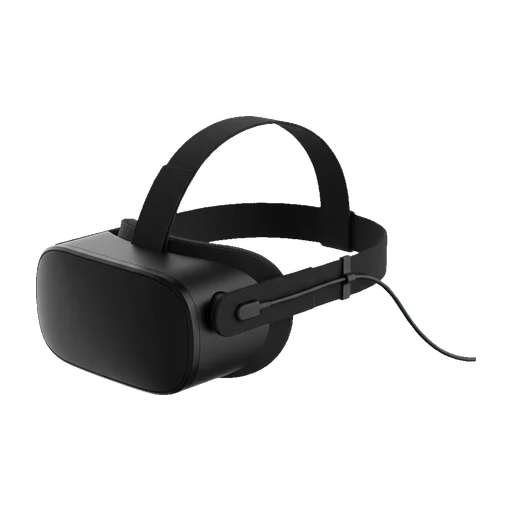
Specs verified on 2026-07-30
Specs verified on 2026-07-30
Specs verified on 2026-07-30
Specs verified on 2026-07-30
Specs verified on 2026-07-30
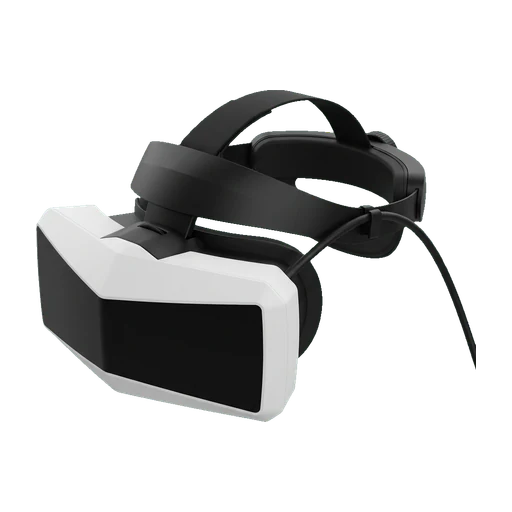
Specs verified on 2026-07-30
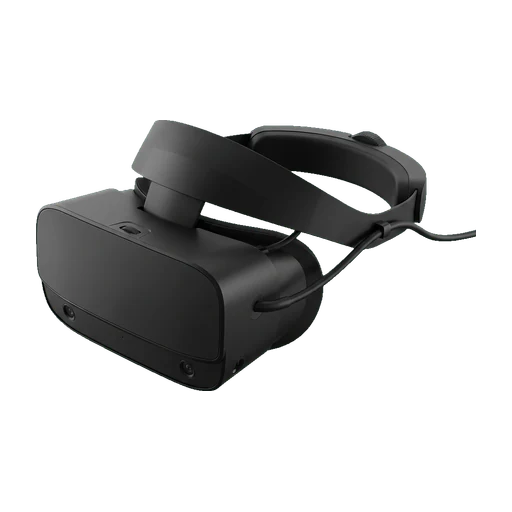
Specs verified on 2026-07-30
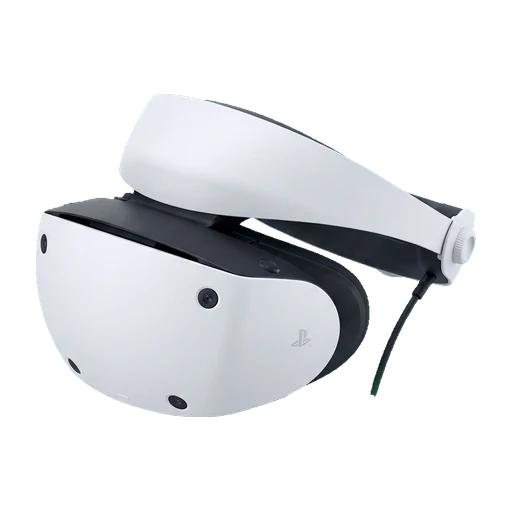
Specs verified on 2026-07-30
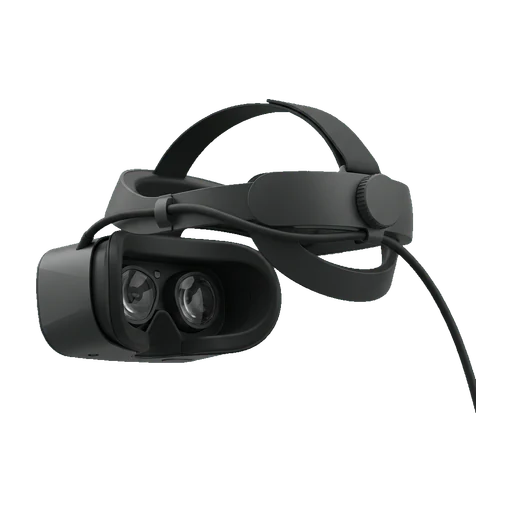
Specs verified on 2026-07-30

Specs verified on 2026-07-30
VITURE · 2026
Specs verified on 2026-08-04
Rokid · 2025
Specs verified on 2026-08-04
VITURE · 2025
Specs verified on 2026-08-04
XREAL · 2025
Specs verified on 2026-08-04
Rokid · 2024
Specs verified on 2026-08-04
XREAL · 2024
Specs verified on 2026-08-04
XREAL · 2024
Specs verified on 2026-08-04
XREAL · 2023
Specs verified on 2026-08-04
Lenovo · 2021
Specs verified on 2026-08-04
Even Realities · 2025
Specs verified on 2026-08-04
Meta · 2025
Specs verified on 2026-08-04

Meta · 2025
Specs verified on 2026-08-04

Rokid · 2025
Specs verified on 2026-08-04
Brilliant Labs · 2024
Specs verified on 2026-08-04
Halliday
Specs verified on 2026-08-04

Specs verified on 2026-08-03

Specs verified on 2026-08-03

Specs verified on 2026-08-04

Specs verified on 2026-08-04
Specs verified on 2026-08-04

Specs verified on 2026-08-04

Specs verified on 2026-08-04

As a Meta Business Partner, our VR training applications are built and tuned for Meta Quest — the headset most companies deploy — and we support you in choosing and rolling out the right hardware.
Not sure which headset to buy for training in your company? We help teams pick the right VR/AR hardware for their rollout — and tell you honestly when the cheaper model is enough.
Help me chooseThis comparison is a data set, not an opinion piece. Here is exactly how it is put together, so you can judge whether to trust a row before you quote it.
Specifications change with firmware updates and hardware revisions. Before you order, open the manufacturer link on the model page and confirm the figures that matter to your decision.
Product and company names belong to their respective owners and are used here only to identify the hardware compared.
Product and company names used here are the trademarks of their respective owners and appear only to identify the hardware being compared. We are not affiliated with, sponsored by or endorsed by any of these manufacturers. Illustrations are our own.
For most safety training, a standalone headset with colour passthrough and a wipeable facial interface is enough. The deciding factors are rarely resolution: you need a device you can charge overnight, hand to a different person every twenty minutes, clean between users, and lock to a single application so nobody wanders into a browser. That is why the filters above sit on kiosk mode, hygiene and fleet management rather than on pixel counts.
Our position today is straightforward: for most companies we recommend Meta Quest. Not because the competition is weak, but because Quest is the most widely available and most commonly deployed headset on the market, we have tested our courses on it the most, and our applications are tuned for it — so it is the setup where everything simply works from day one. That said, our courses are not locked to one manufacturer: they run on PICO and HTC VIVE headsets too, because we build on open XR standards rather than a single vendor's SDK. If a course does not run on the hardware you already own, we can adapt it — talk to us before you change your fleet. And if the training belongs on a phone rather than in a headset, we can build an AR safety application for iOS and Android as well, so every employee can run it on the device already in their pocket.
Standalone wins for training almost every time. No cables to trip over in a room full of trainees, no gaming PC per station, and a crew can be trained in a warehouse corner instead of a lab. A PC-tethered setup is worth it only when the simulation genuinely needs desktop-class rendering — high-fidelity machinery, large CAD models, or eye-tracked research work.
Four things decide whether twenty headsets are manageable or a burden: a device management console (push an app to every unit without touching them), kiosk mode (the device boots straight into your training and nothing else), swappable facial interfaces (hygiene between users, and they are consumables), and a business licence tier so the devices are not tied to personal accounts. A model that scores well on specs but fails these will cost more in admin time than it saved on purchase.
Industrial glasses put a small screen in the corner of one eye so hands stay on the work. Spatial AR anchors content in the room and tracks your position in it. Wearable displays are a monitor you wear — the image comes from a phone or PC on a cable. AI glasses have a camera, microphones and an assistant, and usually no screen at all. Only the first two can guide a worker through a task.
This is the question a spec sheet never answers. A standalone Android device takes an ordinary APK and can be managed by an MDM, which is where a training application is realistic. A vendor-SDK platform needs a build written for that platform, which is a project, not a deployment. On a wearable display the application lives on the connected phone or PC. On closed AI glasses there is no third-party path at all. To be plain about our own catalogue: Skillsive training courses are VR applications, and none of them runs on AR eyewear of any class — including the industrial glasses that would technically accept the package. Custom AR work is a separate service, not something you can filter for here.
Official availability matters more than it sounds: it decides warranty handling, VAT invoicing and how quickly you can replace a broken unit. Use the “Available in Poland” filter to narrow the list to models with an official distribution channel, and check the manufacturer page linked on each model card before ordering — availability changes faster than specifications do.
Hardware whose maker has announced it officially, with the release window it stated. Everything the manufacturer has not published — prices above all — is missing here rather than filled in from leaks.